
Don’t Snooze, I Lose: How I’m Learning to Sleep with Schizophrenia


By Erica Crompton
Erica Crompton shares her personal experience of sleep disturbances and insomnia since being diagnosed with psychosis in 2002 and schizophrenia in 2010.
While getting enough sleep remains a work in progress, Erica shares six evening habits that help her feel more rested the next day.
For me, sleep (or lack of it) has probably been one of the hardest parts of living with a psychotic illness. In fact, I even wrote a ditty about it on one of the many nights I've spent awake:
My sleep's so poor,
Since my diagnosis.
I'm up all night,
But that's psychosis!
My sleep is often interrupted for no reason. I often wake at 3 in the morning, unable to return to the state of unconsciousness I was in moments (then hours) ago.
It's been like this since I first started experiencing psychotic symptoms, at age 19. Sometimes, the ability to sleep the whole night through for more than a few nights in a row seems like it'll never return (I'm getting past 45).
While there have been times I felt like giving up on chasing sleep, I know how important this restful, repairing process is. If I don't snooze, I lose. Managing my illness, my physical health, my writing work, my anxiety, my mood... they all suffer when insomnia strikes.
There are, however, some personal sleep "habits and hacks" I've accumulated over the years that help me drift off - or at least get a little conscious rest if a deep sleep isn't possible.
6 evening habits that help set me up for sleep
1. Enjoying a big dinner
By far my favorite "hack" is simply loving my sister-in-law's cooking. On some lucky Sundays, my sister-in-law cooks a huge roast for the whole family. It's such a delicious meal, and I don't tend to watch what I eat on the last day of the weekend. Best of all, it knocks me clean out for 12 hours of sleep!
Now I'm thinking about Yorkshire puddings, parsnips, roast potatoes, stuffing, and gravy – our plates are always piled high. A big meal like this always ensures I get plenty of rest on a Sunday before the start of a new week.

Related story
Cooking for One with Schizophrenia: How Good Food Became My Mental Health Ally
2. Screening out my screen time
I read in a magazine that looking at my phone screen might make it harder for me to fall asleep.
I’m not sure how true that is – for me, anyway – but apparently, checking notifications before bed can trigger our need to feel engaged and socially "on."
Meanwhile, research suggests that too much blue light may equal a bad night for some, as the glow from our phones can mimic sunlight.
I mostly put my phone away 10 minutes before bed and keep it in the sitting room while I sleep. If I'm awake, I'll try to avoid looking at my screen until morning.
3. Setting ambient lighting for cozy comfort
I use dim, warm lighting to help create a nice ambiance before bed. I have two rooms – the spare one is used if my partner is snoring!
In our room, I use an inexpensive color light, which I find very soothing.
It has settings to adjust the colors (red, blue, purple, white, pink, and green) and a setting to create light patterns. The gentle repetition of soft, flowing colors helps me feel grounded and peaceful, even when sleep feels far off.
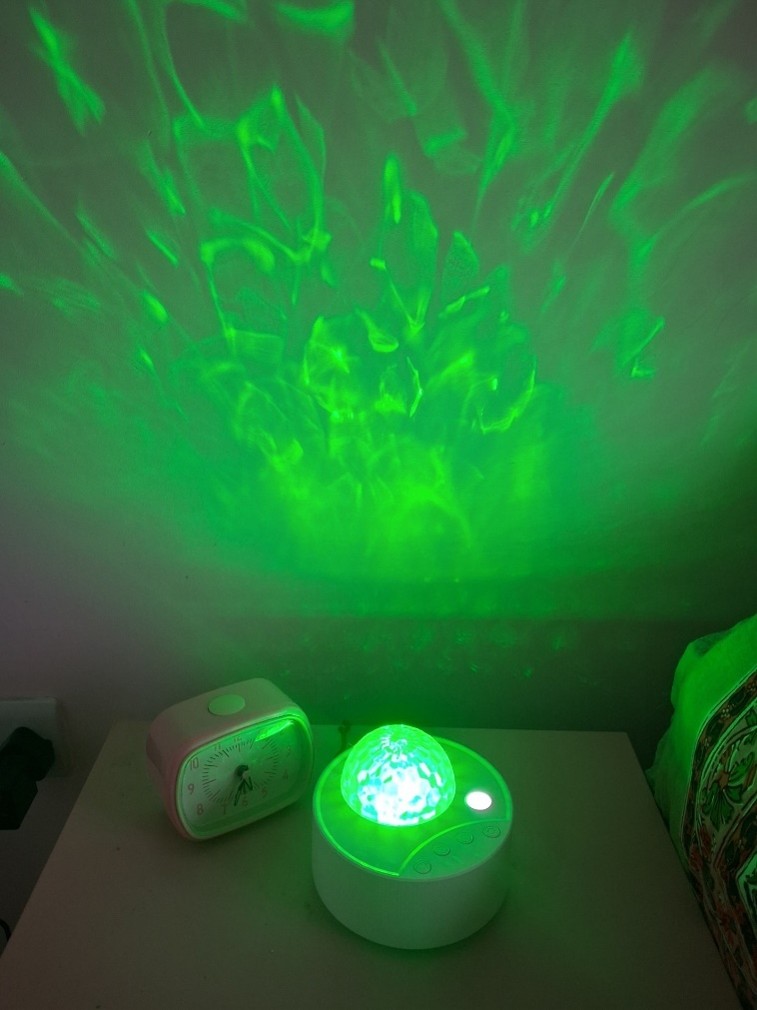
Erica Crompton sets up her bedroom to optimize sleep, with no screens, warm fairy lights and classical music on the radio.
For nights I use the spare room, I switch on the strings of fairy lights with a warm-white glow. They're quite dim now, with wear, but the room feels so inviting with them on.
4. Going with the airflow
It feels like a stuffy room can stuff up my sleep pattern. A housemate once told me that keeping a window in the room slightly ajar for gentle airflow can help with sleep.
So, if I'm struggling to drift off, I'll open the window or skylight a little. The fresh, soft breeze from outside cuts through the stale air indoors. It feels so cool and comforting on my face, too.
5. Music is a classic choice
Drinking alcohol near bedtime may make some people feel sleepy, but it can be terrible for a true, restful sleep. In the event of too many cocktails or nightcaps before bed, my insomnia gets very bad. So, rather than stressing further about not getting my recommended 7-9 hours of sleep, I try to relax so I at least get some rest.

Related story
How Music Helps Me Cope with the Long-Term Effects of Schizophrenia
With my fairy lights on and the window slightly open, I tune my radio to a classical music station. I always feel so lucky when I find a station playing relaxing classics – especially if it's Vaughan Williams' The Lark Ascending, which is my favorite calming piece.
If not the classical radio station, I'll try "Lofi beats" on YouTube. I find that the lyric-less, relaxing style of music can help with any overstimulation and my anxiety.
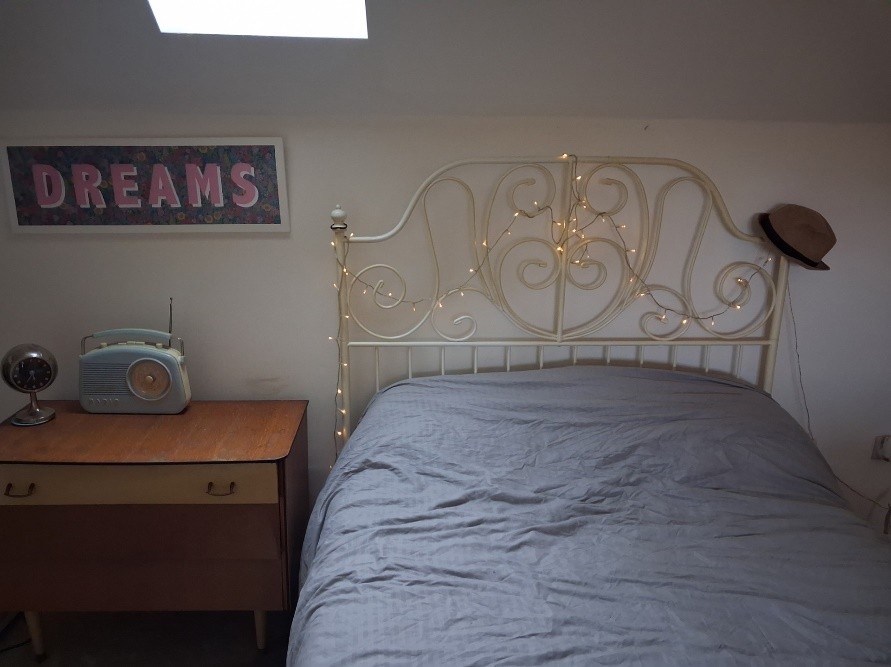
Erica Crompton sets up her bedroom to optimize sleep, with no screens, warm fairy lights and classical music on the radio.
6. Kicking back with a great cup of tea
Just before bed, or if I'm struggling with insomnia, I find that nothing sets up a relaxed, sleepy mood more than a good cup of caffeine-free tea.
I love experimenting with teas from all over the world to get a taste of a different culture. That they aid relaxation is just a bonus, but, in my case, most of them seem to!
The tea I wanted to try so much was Tibetan butter tea, which I once managed to find cheaply on eBay. The taste wasn't "my cup of tea," but at last I tried something new.
My favorite teas always stay well-stocked. That said, the herbs in some teas can potentially interact with prescribed medications. Always check with your doctor before trying new teas that claim to help with sleep. While fruits, herbs, and spices may be natural, I don't equate that with being risk-free.
The information presented is solely for educational purposes, not as specific advice for the evaluation, management, or treatment of any condition.
The individual(s) who have written and created the content and whose images appear in this article have been paid by Teva Pharmaceuticals for their contributions. This content represents the opinions of the contributor and does not necessarily reflect those of Teva Pharmaceuticals. Similarly, Teva Pharmaceuticals does not review, control, influence, or endorse any content related to the contributor's websites or social media networks. This content is intended for informational and educational purposes and should not be considered medical advice or recommendations. Consult a qualified medical professional for diagnosis and before beginning or changing any treatment regimen.
NPS-ALL-NP-01782 MAY 2026
You might also be interested in...


