
Meet Our People: Jessica Kurth, Drug Product Tech Transfer Scientist

Meet
our people

For Jessica Kurth, innovation isn’t just about discovering new medicines—it’s about finding smarter ways to bring them to patients. As a Drug Product Tech Transfer Scientist, she works at the critical intersection between research and manufacturing, helping transform promising therapies developed in the laboratory into robust manufacturing processes ready for clinical and commercial production. Having worked across multiple scientific roles during her seven years at Teva, Jessica has seen first-hand how collaboration, continuous improvement and scientific curiosity are helping drive Teva’s Pivot to Growth strategy and expand its innovation pipeline.
I’m a professional middleman—and I mean that as a compliment. My role sits between research and manufacturing. I take the processes our scientists develop at bench scale and work out how to successfully transfer them into clinical and commercial manufacturing. That means wearing a lot of different hats. Part project manager, part scientist, part negotiator and part detective. If something unexpected happens during manufacturing, it’s my job to understand the science behind it, solve the problem and help prevent it from happening again. At the end of the day, everything comes back to one goal: getting high-quality medicines to patients as quickly and safely as possible.
I’ve always loved science that makes a difference. I fell in love with biology as a child. My dad had a freshwater fish tank, and I became fascinated with identifying every species in it. That curiosity eventually led me to study biology and marine science before moving into graduate research. While I enjoyed academic research, I realized what really motivated me was applied science. I wanted to see my work make a tangible difference to people, and that’s what brought me into the biopharmaceutical industry. Working at Teva makes that personal. I’m not only an employee—I’ve also been a patient. That’s one of the reasons I’m so passionate about the innovative biologics we’re developing for autoimmune diseases. Knowing our work could improve the lives of patients facing conditions with limited treatment options makes it incredibly meaningful.
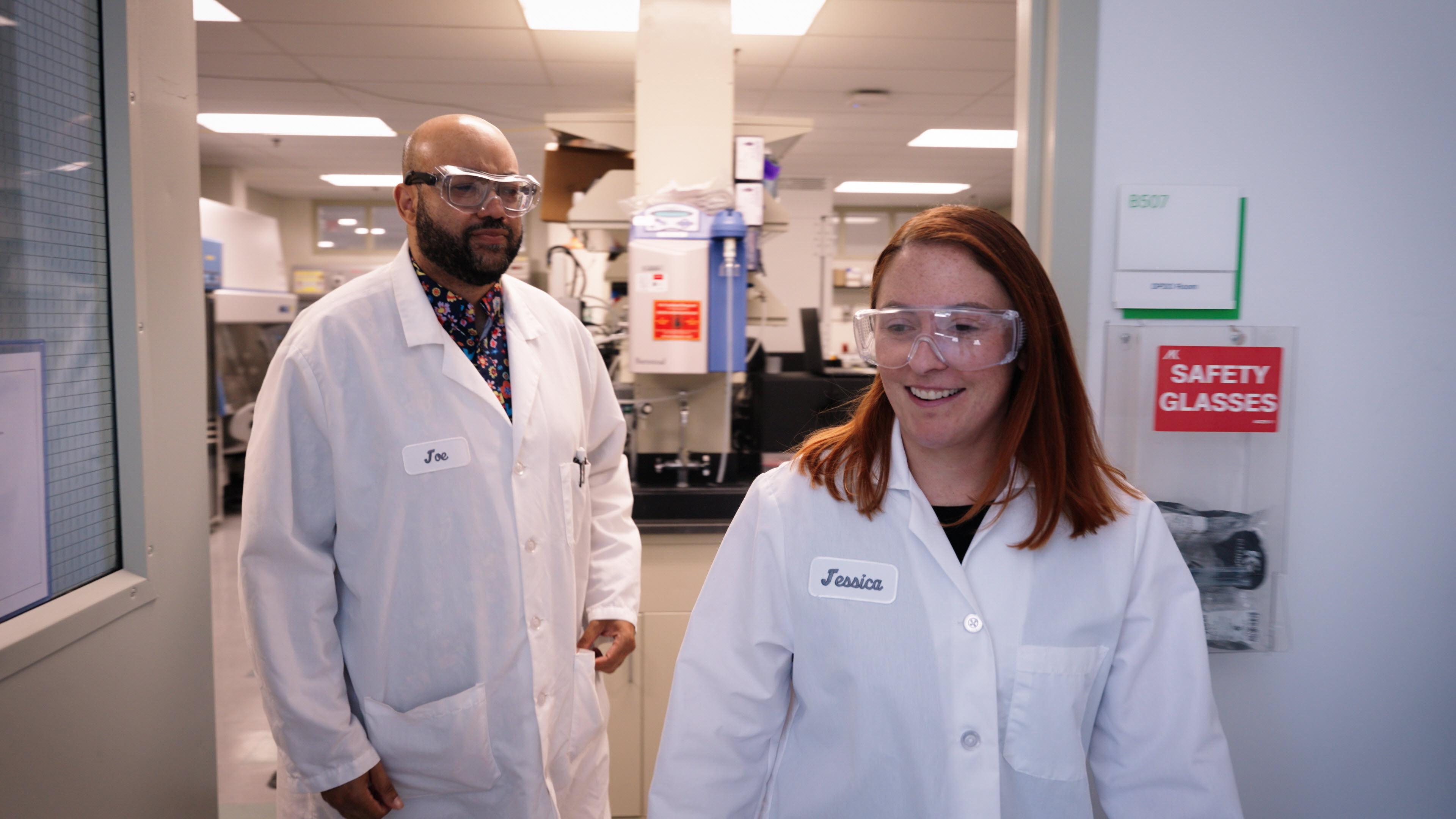
Innovation isn’t always inventing something new—sometimes it’s improving what already exists. People often think innovation means a new technology, and that’s certainly part of it. But innovation also means looking at the way we work and asking, “Can we do this better?” At Teva, we’ve embraced continuous improvement to improve processes, reduce waste and make our manufacturing operations more efficient while maintaining the highest quality standards. We’ve also embraced automation, digital technologies and artificial intelligence—not to replace people, but to support better decision-making.
The most dangerous phrase for any company is: ‘We’ve always done it this way.’ One of the biggest changes I’ve seen at Teva over the last few years is a willingness to challenge long-held assumptions. We’re constantly asking whether there’s a better way to work, whether that’s simplifying processes, strengthening partnerships, or improving collaboration between departments. That mindset is creating an organization that’s becoming faster, more agile and more innovative. It’s exciting because fresh ideas are genuinely welcomed, regardless of where they come from.
No one brings a medicine to patients alone. Collaboration is the cornerstone of everything we do. I’ve had the opportunity to work with colleagues across the United States, Israel, Italy and Canada, and despite the distances involved, it genuinely feels like one community working towards the same goal.
I often joke that I don’t know what challenge I’ll be solving by the end of the day. Because every day brings a new challenge—and that’s exactly why I enjoy it. It's part of what keeps the role so interesting. Every unexpected problem is an opportunity to learn something new, collaborate with different teams, and find a better solution.
The best ideas grow in environments where people trust each other. One of the things I value most is the culture we’ve built within our teams. There’s a real sense of psychological safety. People feel comfortable asking questions, challenging ideas and learning from one another because we all share the same objective. We work hard, but we also enjoy working together, and those relationships make us stronger as a team. Innovation doesn’t happen because one person has a brilliant idea. It happens because people trust one another enough to build those ideas together.
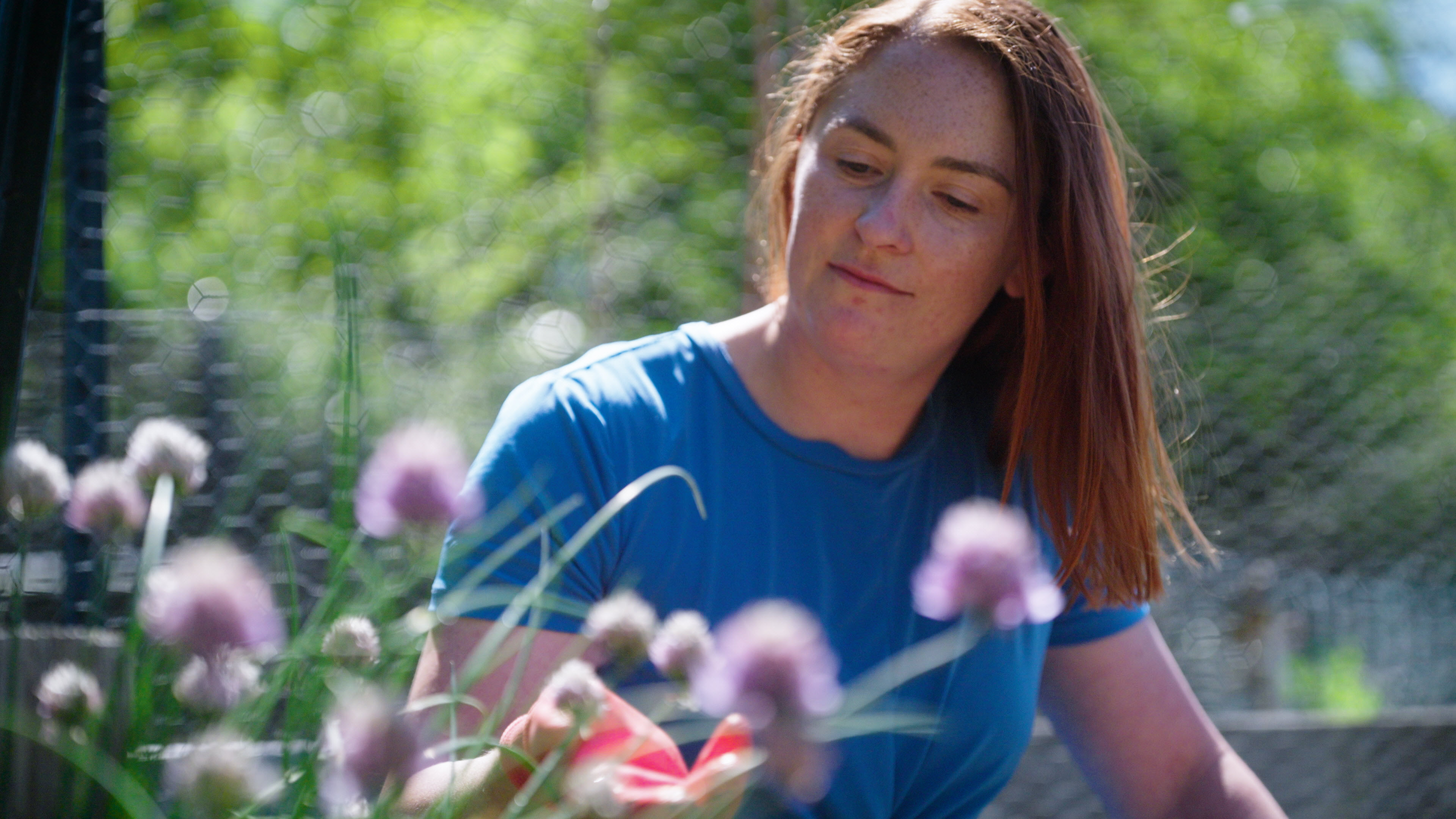
Whether I’m growing a pollinator garden or developing medicines, I want to leave things better than I found them. Outside work, you’ll usually find me exploring state parks looking for fossils and crystals, or working on native pollinator gardens. In fact, I even helped establish one here on Teva’s West Chester campus. Watching hummingbirds, butterflies and bees visit the garden reminds me that small actions can have a lasting impact. I like to think my work at Teva is similar. Every improvement we make—whether it’s streamlining a manufacturing process, solving a scientific challenge or helping bring an innovative medicine to patients—is another opportunity to leave something a little better than we found it.
NPS-ALL-NP-01867 October 2026
Find out more
- Explore how Teva is advancing innovative medicines
- Learn more about research and development at Teva
- Discover how Nanci Eannucci Wene is using AI to support clinical research
- Interested in contributing to breakthroughs in innovative medicines? Explore a career at Teva
You might also be interested

Meet
our people


Team Talks
