
Meet Our People Assaf Marcus Director of Clinical Biomarkers, Translational Medicine

Meet
our people

For Assaf Marcus, innovation starts where scientific certainty ends. As Director of Clinical Biomarkers in Teva's Translational Medicine group, he works at the intersection of biology, technology and clinical development, helping researchers uncover insights that can deepen our understanding of disease and support the development of future medicines. Today, he supports Teva's celiac disease and vitiligo programs, using biomarkers and translational science to help researchers better understand disease biology and treatment response.
Science is the biggest puzzle of all. I've always enjoyed figuring things out and understanding how things work. That curiosity led me to study immunology, earn my PhD at the Weizmann Institute, complete postdoctoral research at UC Berkeley and build a career focused on solving complex scientific problems. What motivates me is the opportunity to use science to improve our understanding of disease and contribute to work that can ultimately make a difference for patients.
Translational medicine is the bridge between science and patients. Academic research generates incredible discoveries, but our role is to understand how those discoveries translate into the real world. In Teva's Translational Medicine group, we work to connect scientific understanding with real world scenarios, what is happening in patients - helping build a clearer picture of disease and treatment response through biomarkers and other scientific tools.
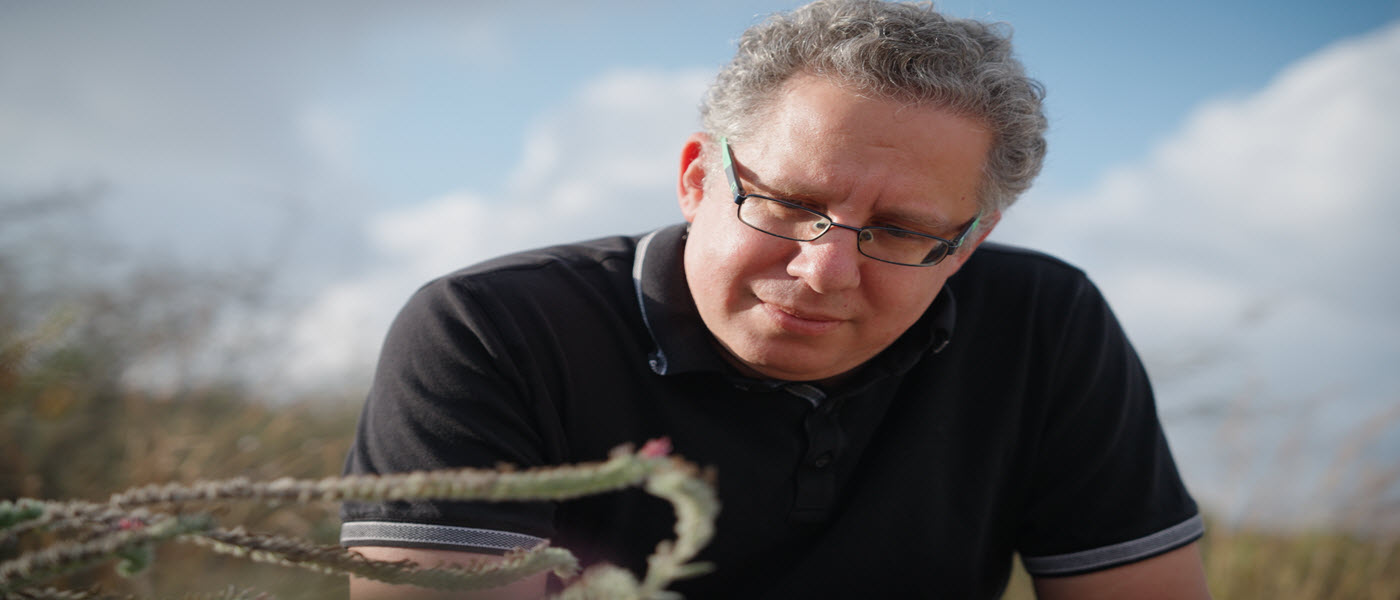
Our job is to understand the things that nobody else understands yet. Translational medicine often operates at the edge of scientific knowledge, where there isn't always a clear roadmap. We ask questions that may not yet have answers and work to generate insights that help deepen our understanding of biology and disease. It is challenging work, but that's also what makes it exciting.
Biomarkers help turn complex biology into meaningful insight. A major part of my role involves studying biological signals that can provide objective information about what is happening inside the body. In areas such as celiac disease and vitiligo, biomarkers can help researchers better understand underlying biological processes and contribute to a more complete understanding of disease. Patients experience disease in different ways, and not everything can be observed through symptoms alone, making these insights an important part of building a clearer picture of disease biology.
Patients know what they're feeling, but they don't always know what's happening inside their body. One of the most rewarding aspects of my work is helping connect the patient experience with the science. My job is to understand what patients are experiencing and what the underlying causes might be. By understanding the biological mechanisms underlying disease, we can gain insight into what is happening beneath the surface and build a clearer understanding of disease biology.
I think of innovation as standing at the edge of a fog. Beyond that fog are questions that scientists are still trying to answer. Our role is to find ways to see through it—to develop new approaches, tools and technologies that help bring clarity to what isn't yet fully understood. That pursuit of understanding is what makes translational medicine such an exciting place to work.
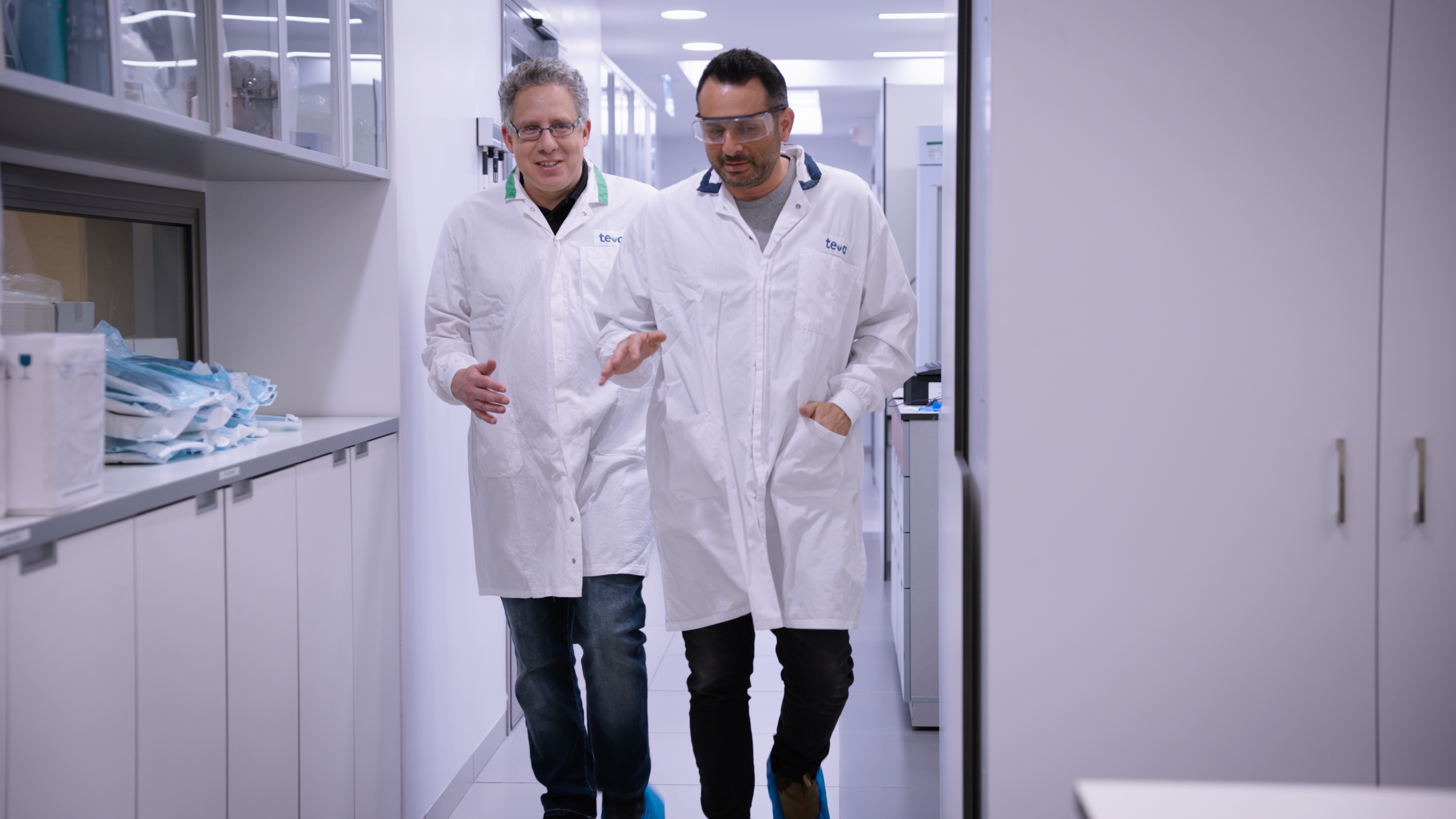
If we don't keep up with innovation, we're going to be left behind. Science and technology are advancing rapidly, creating opportunities to explore biology with greater precision than ever before. New analytical technologies are enabling researchers to detect and study biological signals in ways that were previously difficult, opening exciting new possibilities for scientific discovery and understanding.
The biggest opportunity for change is in digital biomarkers and wearable technologies. One of the biggest challenges in research is understanding what is happening with patients in a way that is meaningful while minimizing burden. I'm excited about technologies that could help researchers gather new kinds of information and provide additional insights into disease and patient experience, while making participation easier and more accessible.
Innovation is never an individual effort. Success in translational medicine depends on collaboration across many disciplines, including clinicians, statisticians, regulatory experts, operational teams and laboratory scientists around the world. One of the things I value most about Teva is the willingness of people from different functions and geographies to come together to solve complex challenges and learn from one another.
Global collaboration makes better science possible. Because Teva brings together expertise from across the world, I have the opportunity to work with colleagues in different countries and across multiple scientific disciplines. Those diverse perspectives strengthen our work and help us approach challenges from different angles, ultimately leading to better scientific discussions and stronger outcomes.
We're all here because we want to help patients. Across Teva, I've found talented people who are passionate about advancing science and making a difference. That shared sense of purpose creates a collaborative environment where people are committed to learning, growing and working together toward common goals.
NPS-ALL-NP-01865 October 2026
Find out more
- Explore how Teva is advancing innovative medicines
- Learn more about research and development at Teva
- Discover how Jessica Kurth helps move innovative therapies from research toward manufacturing
- Interested in contributing to breakthroughs in innovative medicines? Explore a career at Teva
You might also be interested


Meet
our people


Team Talks
